

Signs It’s Time to Repair Your Old Plumbing
- graydon heron
- Mar 17
- 4 min read
Old plumbing can cause serious headaches if left unattended. Pipes that have served your home for decades may seem fine on the surface, but hidden problems can lead to costly damage and inconvenience. Knowing when to repair your old plumbing can save you money and stress in the long run. This post will help you recognize the key signs that indicate it’s time to take action.

Slow Drains and Frequent Clogs
One of the earliest signs of plumbing trouble is slow drainage. If your sinks, tubs, or showers take longer than usual to drain, it could mean buildup inside the pipes. Over time, mineral deposits, grease, hair, and soap scum accumulate and narrow the pipe’s interior. This buildup restricts water flow and increases the risk of clogs.
Frequent clogs that require plunging or chemical drain cleaners are a red flag. These temporary fixes do not address the root cause. Old pipes may have rough interiors or corrosion that traps debris. When you notice slow drains in multiple fixtures, it’s likely a systemic issue with your plumbing.
Discolored or Foul-Smelling Water
Water quality can reveal a lot about your plumbing’s condition. If your tap water looks rusty, brown, or has a metallic taste, your pipes may be corroding inside. Rust particles break off from aging iron or steel pipes and discolor the water.
Foul or unusual odors coming from your water supply also suggest problems. Bacteria can grow in old, stagnant pipes, causing unpleasant smells. Sometimes, sewer gases can leak into the water lines through cracks or faulty seals.
If you notice these changes, it’s important to test your water and inspect your plumbing. Drinking or using contaminated water poses health risks and signals that repairs are needed.
Low Water Pressure Throughout the House
Low water pressure is frustrating and often points to plumbing issues. When pipes corrode or clog, the flow of water slows down. This can affect all faucets and showers in your home, not just one fixture.
A sudden drop in pressure may indicate a leak or a broken pipe. Older plumbing systems are more prone to leaks due to worn joints, cracked pipes, or loose fittings. Even small leaks reduce water pressure and waste water.
If you experience consistently low water pressure, have a plumber check your system. Early detection can prevent bigger leaks and water damage.
Visible Leaks and Water Damage
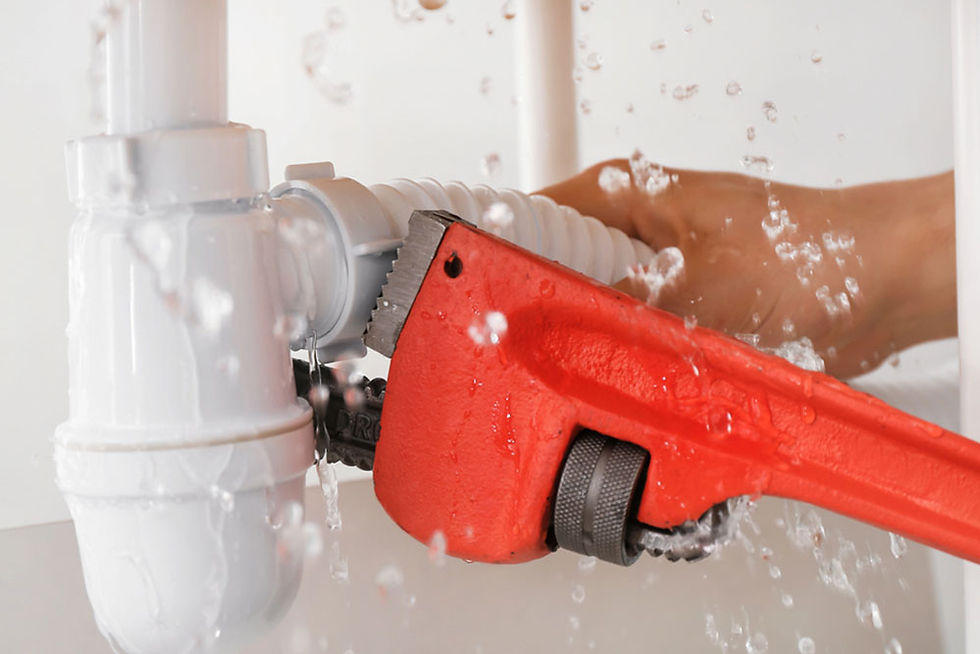
Visible leaks are an obvious sign that your plumbing needs repair. Look for water stains, damp spots, or mold growth on walls, ceilings, and floors near plumbing fixtures. These signs show water escaping from pipes or connections.
Leaks can start small but worsen over time, causing structural damage and increasing your water bill. Old pipes made of galvanized steel or iron are especially prone to rust and cracks.
Check under sinks, around toilets, and near water heaters regularly. If you spot any leaks, call a professional plumber immediately to avoid costly repairs.
Noisy Pipes and Strange Sounds
Unusual noises coming from your plumbing system can signal trouble. Banging, clanking, or whistling sounds often mean pipes are loose, water pressure is too high, or air is trapped inside.
Old pipes may expand and contract with temperature changes, causing knocking sounds. These noises can also indicate blockages or failing valves.
If your plumbing makes strange sounds when you turn on faucets or flush toilets, have it inspected. Fixing the cause early can prevent pipe bursts or other failures.
Frequent Repairs and Rising Maintenance Costs
If you find yourself calling a plumber repeatedly for leaks, clogs, or other issues, your plumbing system may be beyond simple fixes. Older plumbing requires more frequent repairs, which add up over time.
Rising maintenance costs are a clear sign that replacement or major repairs are needed. Investing in new pipes or upgrading your plumbing can save money and hassle in the long term.
Age of Your Plumbing System
Knowing the age of your plumbing helps determine when to repair or replace it. Most plumbing materials have a typical lifespan:
Galvanized steel pipes: 40-50 years
Copper pipes: 50+ years
PVC pipes: 25-40 years
Cast iron pipes: 75-100 years
If your home’s plumbing is older than these ranges, it’s wise to have a professional inspection. Even if you don’t see obvious problems, aging pipes are more likely to fail.
Health Concerns Linked to Old Plumbing
Old plumbing can affect your health in subtle ways. Lead pipes or lead-based solder used in homes built before the 1980s can contaminate drinking water. Lead exposure causes serious health problems, especially for children and pregnant women.
Corroded pipes can also harbor bacteria and other contaminants. If you or your family experience unexplained illnesses or skin irritation, consider testing your water and plumbing.
When to Call a Professional Plumber
Some plumbing issues are easy to fix, but many require professional expertise. If you notice any of the signs above, schedule a plumbing inspection. A licensed plumber can:
Assess pipe condition
Detect hidden leaks
Recommend repairs or replacement
Test water quality
Provide cost estimates
Early intervention prevents emergencies like burst pipes or flooding.
Old plumbing can cause serious damage if ignored. Watch for slow drains, discolored water, low pressure, leaks, noises, and frequent repairs. Knowing the age of your pipes and testing your water quality also helps. When you spot these signs, call a professional plumber to inspect and repair your system. Taking action now protects your home, health, and wallet.


Comments